

Sometimes there is only one decision between what is right and what is convenient. These five novels show how easily people can step beyond their own principles and how difficult it can be to find their way back.
Moral compromises rarely begin with the intention of doing something wrong. Sometimes we make them in the name of professional success. At other times, out of loyalty, a desire for social recognition, or the belief that we are serving a higher purpose. Literature has long explored this dangerous boundary between principles and desire. And the most interesting stories do not always offer us clearly defined heroes and villains. Instead, they confront us with people whose decisions gradually change the way they see themselves.
In this BOOKLOVERS selection, we bring together five novels that explore different faces of moral compromise – from personal ambition to the painful recognition of one’s own guilt.
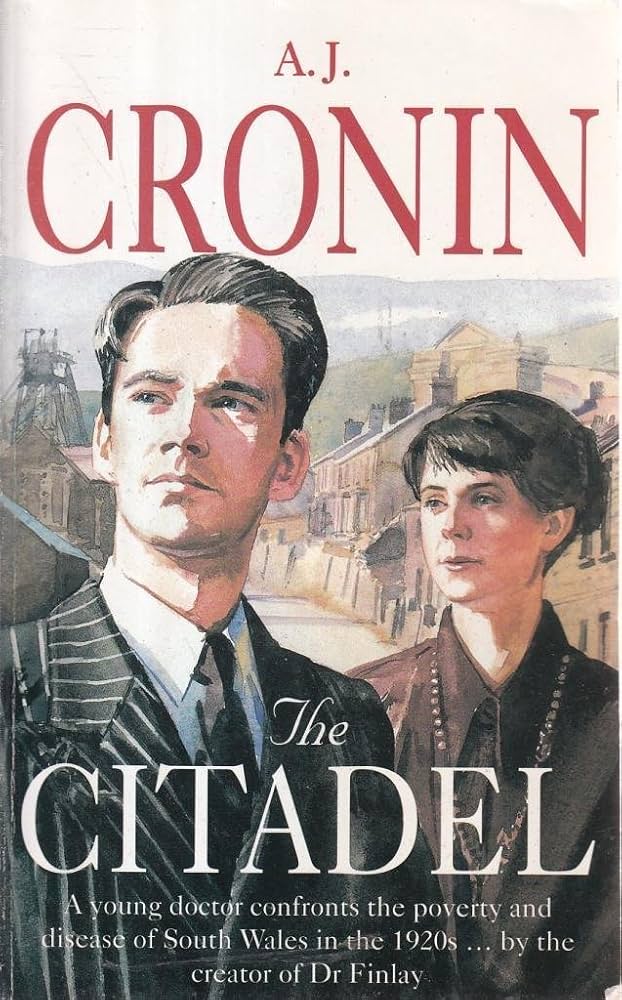
1. The Citadel by A. J. Cronin
When the idealist begins to resemble the system he once fought against.
Young doctor Andrew Manson begins his professional life convinced that medicine should serve patients above all else. He challenges outdated practices, incompetence, and colleagues for whom financial profit matters more than human health. But as his professional reputation grows, new temptations begin to appear.
Wealthy patients, social recognition, and the opportunity for rapid advancement gradually put to the test the principles that once guided every one of his decisions. Cronin does not simply place a good doctor against a corrupt system.
He shows how easily a person can begin to justify their own compromises, especially when those compromises bring success. And perhaps the most uncomfortable question is whether Andrew even recognizes the moment when he stops being the person he once wanted to become. Published in 1937, the novel remains surprisingly relevant. Because the conflict between professional ethics, personal ambition, and money certainly does not belong only to medicine.
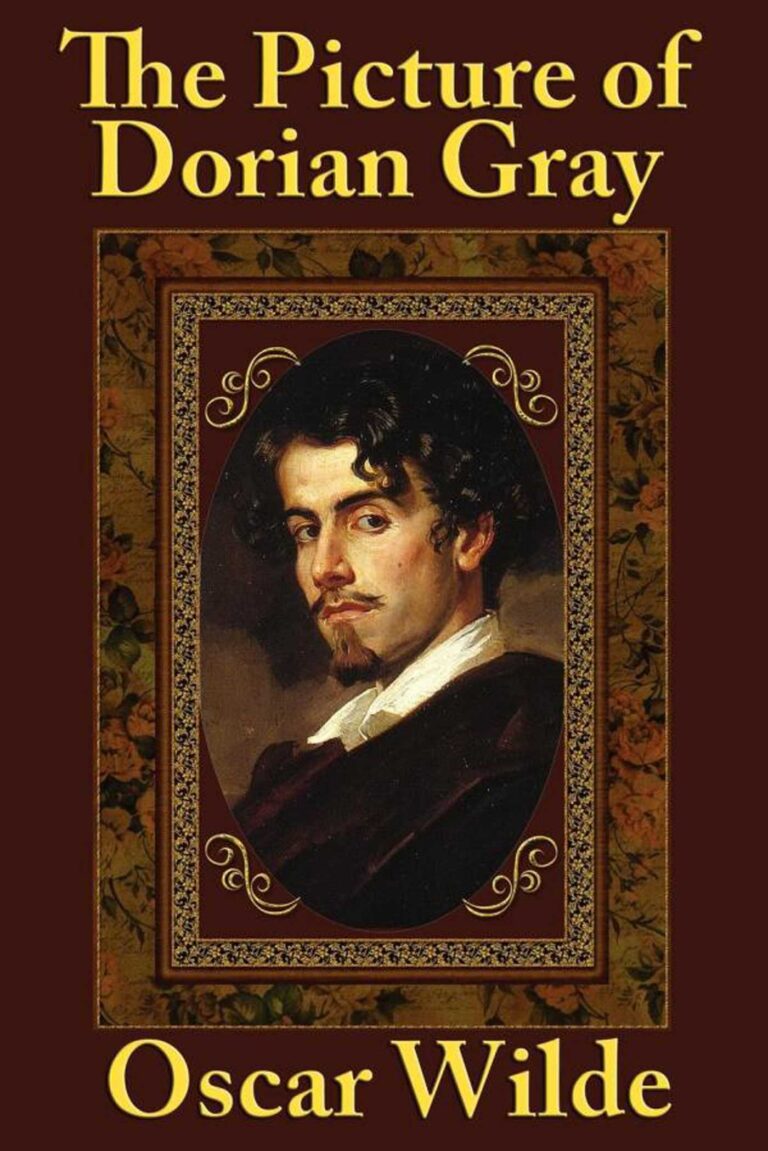
2. The Picture of Dorian Gray by Oscar Wilde
What is beauty worth when conscience pays the price?
Young Dorian Gray possesses everything society is inclined to admire – beauty, youth, and a promising future. But after meeting Lord Henry Wotton, he gradually embraces the idea that pleasure and personal desire should take precedence over conventional moral limits.
When his extraordinary portrait begins to reflect the consequences of his actions, Dorian is given the chance to preserve his flawless appearance regardless of the choices he makes. Wilde constructs a story in which moral compromise is not driven by necessity or survival. It grows from the belief that a person can enjoy freedom without accepting responsibility for its consequences. That is what turns the novel into far more than a Gothic story about beauty and vanity.
The Picture of Dorian Gray asks whether conscience can ever truly be silenced and what happens when a person stops seeing their own moral decay.
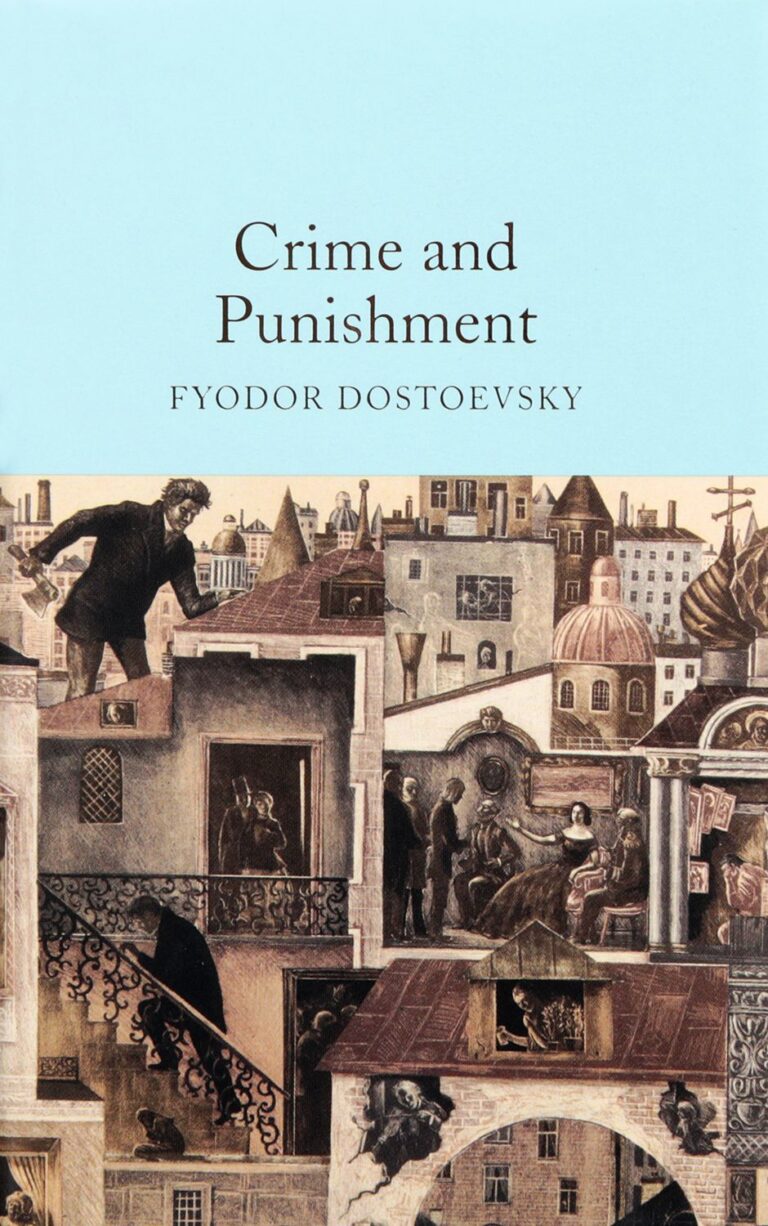
3. Crime and Punishment by Fyodor Dostoevsky
Can an idea justify a crime?
Rodion Raskolnikov is an impoverished former student who gradually develops a theory about the existence of extraordinary individuals – people who, in his view, have the right to cross accepted moral boundaries in pursuit of a higher purpose.
Convinced that certain actions can be justified by their supposed consequences, he decides to put his own beliefs to the test. But Dostoevsky is not interested only in the crime itself. The true conflict unfolds inside his protagonist’s mind, where rational arguments gradually collide with guilt, fear, and the impossibility of forcing the human conscience to obey a theory.
Crime and Punishment remains one of literature’s most powerful examinations of moral self-justification. Raskolnikov does not merely violate ethical norms. He tries to prove that, for certain people, those norms should not exist at all. And that is where the question that makes the novel so unsettling emerges: If someone is completely convinced that they are right, does that give them the right to decide the fate of others?
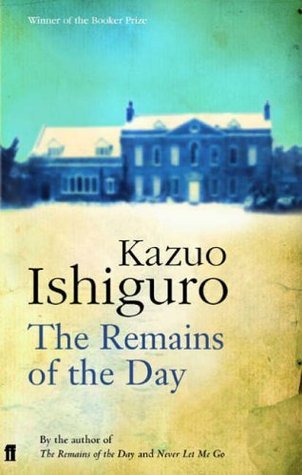
4. The Remains of the Day by Kazuo Ishiguro
When loyalty becomes an excuse for moral inaction.
Stevens is an English butler who has devoted his life to the flawless performance of his professional duties. For him, dignity is measured through discipline, restraint, and absolute loyalty to his employer. But beneath this seemingly honorable philosophy, a far more complicated story gradually emerges.
While serving an influential aristocrat in the years leading up to the Second World War, Stevens chooses not to question the decisions and beliefs of the man to whom he has devoted his career. Ishiguro explores a particular kind of moral compromise the kind hidden behind professional duty. His protagonist is not driven by greed or a desire for power.
His problem is the belief that personal judgment should always give way to obligation. With extraordinary psychological subtlety, the novel shows how a person can miss their own life while striving to perform perfectly the role they have chosen for themselves. And perhaps the most painful realization is that refusing to make a moral decision is also a decision.

5. Atonement by Ian McEwan
Can remorse repair an irreparable mistake?
In the summer of 1935, thirteen-year-old Briony Tallis witnesses events she does not fully understand. Her imagination, combined with a child’s certainty that she can recognize the truth, leads her to make a decision with devastating consequences for several lives.
McEwan builds a novel about the danger of mistaken beliefs, but also about the responsibility we carry when we turn our own interpretation of reality into an absolute judgment. Here, the moral compromise is different. It does not come from a desire for wealth, beauty, or social approval, but from the inability to question one’s own certainty. As the story progresses, the question of guilt gradually gives way to another, even more difficult one:
Is recognizing your mistake enough to deserve forgiveness? Atonement explores the limits of remorse and the possibility that art might offer consolation where reality allows no true repair.
When Does Compromise Become a Betrayal of the Self?
These five authors approach moral dilemmas in very different ways. In Cronin, personal ambition gradually displaces professional principles. In Wilde, the pursuit of beauty and pleasure silences conscience. Dostoevsky examines the danger of believing that an idea can justify anything. Ishiguro reveals the cost of unconditional loyalty, while McEwan explores the consequences of being convinced that our own judgment must be correct.
What these novels share is the understanding that moral compromise rarely looks like compromise at the moment we make it. We almost always have an explanation. Sometimes even a convincing one. But literature has one particular advantage over reality: it allows us to follow the consequences of decisions long before the characters themselves understand their true cost.
Your library starts here
Every book leaves a mark.
Create your profile and turn what you read into your personal library.
Follow us on social media:
Have you read the book?
Rate it and share your thoughts with the Booklovers community.
Log in to rate this book.
No comments yet. Be the first.