Review
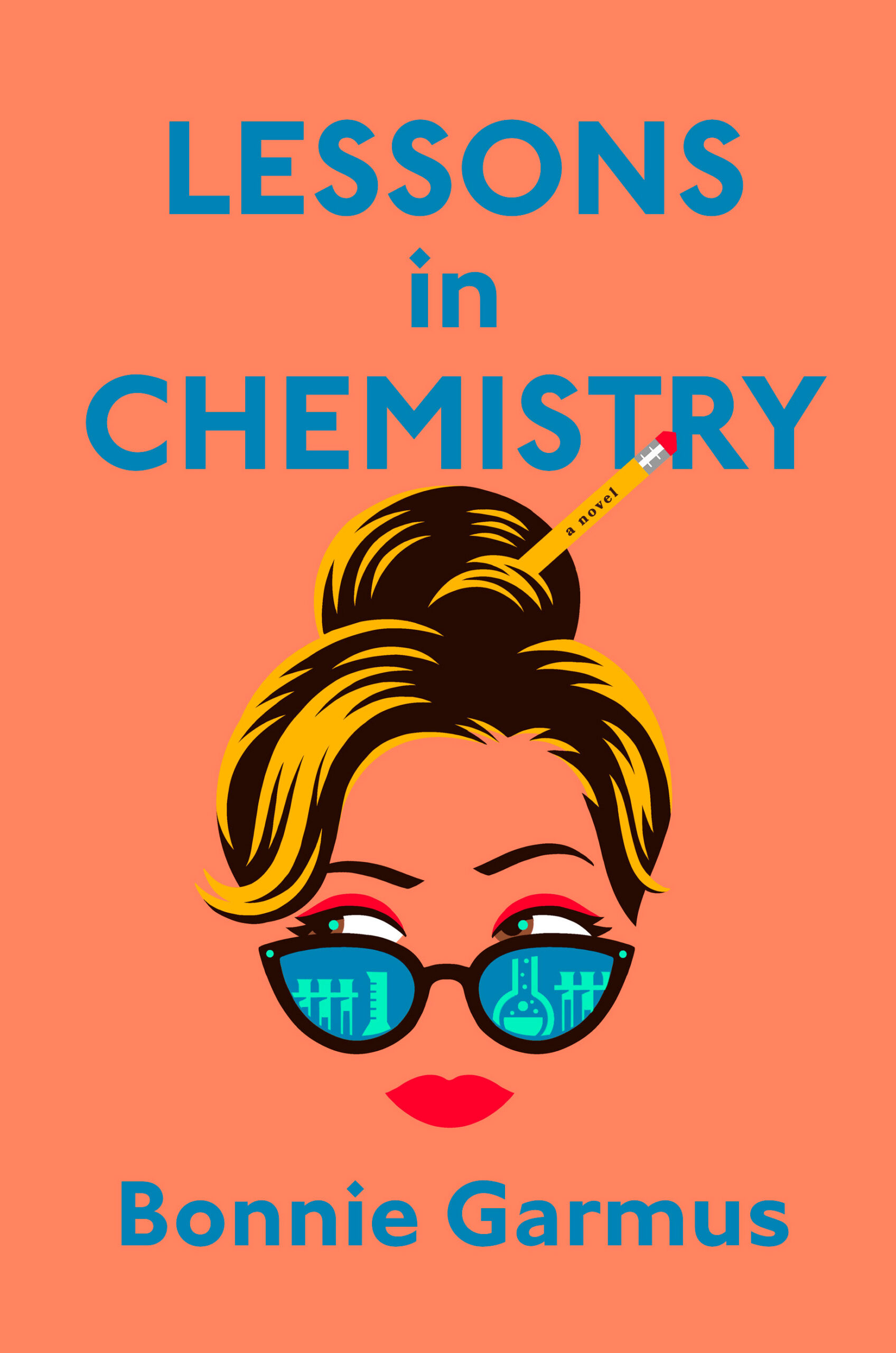
Lessons in Chemistry, BoNie Garmus
It feels misleading to expect humor from Lessons in Chemistry by Bonnie Garmus. Beneath its bright premise lies a story shaped by trauma, loss, and deeply uncomfortable realities — making it difficult to approach it as a light or humorous read.
In Lessons in Chemistry, Bonnie Garmus introduces Elizabeth Zott — a sharp, capable, and modern woman. Unfortunately, she lives in the 1950s, a time when her intelligence and ambition are consistently undermined simply because of her gender.
Despite how the book is often presented, it can feel misleading to expect humor. This is a story marked by serious and often painful events — including sexual violence and difficult personal histories — which makes its lighter tone, at times, feel at odds with the weight of its themes.
That said, there are moments of humor, though they don’t come so much from an attempt to be funny, but rather from the absurdity of certain situations and beliefs. At one point, for example, women are described as naturally better at rowing simply because they are women — an idea that raises questions rather than laughter, and reflects the broader tensions within the narrative.
What initially drew me to the novel was its premise — the story of an independent woman fighting to achieve her dreams. And while that element is present, the book ultimately moves in a slightly different direction.
Garmus focuses on Elizabeth’s role as a catalyst for change — a woman who challenges stereotypes and inspires others to reconsider their place in society. Through her, women begin to see that their aspirations can extend beyond traditional roles. There is something undeniably admirable in that — the determination to stand your ground, to refuse compromise, and to remain true to yourself, even when it comes at a cost.
At the same time, this very approach may not resonate equally with every reader. At moments, the narrative risks feeling prescriptive — as though there is a “right” way to live, rather than a spectrum of valid choices. For some, this may create a sense of distance rather than connection.
For me, Elizabeth often comes across less as a fully vulnerable character and more as a figure of authority — someone who seems to always know the right answer, almost like a lecturer guiding others.
What the novel seems to lack, at least in my reading, is a deeper emotional immersion. There are ideas and themes that are touched upon, but not always explored with the depth needed to fully inhabit the characters’ inner worlds.
One of the more memorable elements is Six-Thirty, the dog — a character that brings warmth and a different kind of perspective. Still, some narrative choices, such as Elizabeth teaching the dog words, feel more symbolic than fully integrated into the story.
It is also worth noting that the book has been adapted for television, further extending its reach and impact.
⭐ Booklovers Rating
My rating for Lessons in Chemistry is 3 out of 5 stars.
Join the community
Your library starts here
Every book leaves a mark.
Create your profile and turn what you read into your personal library.
Follow us on social media: