Biographical
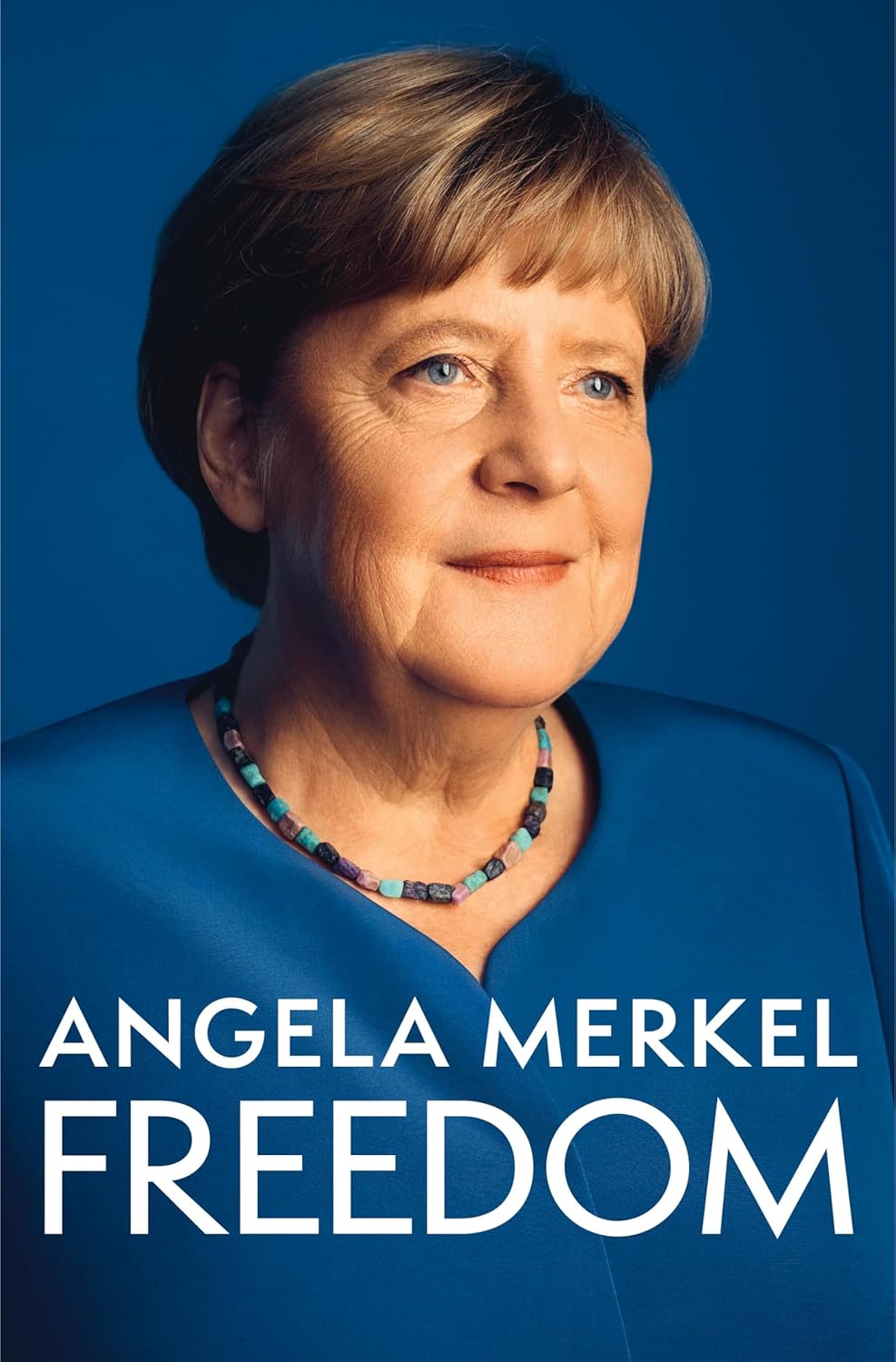
Freedom: Memoirs 1954–2021, Angela Merkel
Freedom: Memoirs 1954–2021 by Angela Merkel, written in collaboration with Beate Baumann, offers an unusually personal and reflective account of one of the most influential political figures of the 21st century.
Spanning from her childhood in East Germany to her years at the center of global politics, the memoir traces Merkel’s journey with clarity and restraint — revealing not only the challenges she faced, but the principles that guided her decisions.
Born in 1954 in the East Germany, Merkel grew up in a system where freedom was limited and carefully defined. It is within this environment that the concept of freedom — both personal and political — becomes central to her life and to the narrative of the book.
At a young age, she refused an offer to become an informant for the Stasi, the secret police of East Germany — a decision that underscores her independence and moral conviction, traits that would later define her leadership.
As she reflects:
“What does freedom mean to me? This question has accompanied me throughout my life… Freedom is discovering where my limits lie — and overcoming them.”
Before entering politics, Merkel studied physics at the University of Leipzig and earned a doctorate in quantum chemistry in 1986. She worked as a research scientist at the Academy of Sciences of the GDR until 1989 — a background that would later shape her analytical and methodical approach to governance.
Following the fall of the Berlin Wall, Merkel transitioned from science to politics, joining the Christian Democratic Union. In 2005, she became Chancellor of Germany.
Her tenure placed her at the forefront of major global challenges — from the 2008 financial crisis and the eurozone debt crisis, to the 2015 refugee crisis and complex relationships with leaders such as Vladimir Putin and Donald Trump.
One of the more revealing moments she recounts is her well-known fear of dogs, stemming from a childhood incident. During a 2007 meeting in Sochi, Putin allowed his black Labrador into the room — a gesture widely interpreted as a form of psychological pressure. Merkel remained composed, demonstrating the calm resilience that became a hallmark of her leadership.
“Putin used my fear of dogs during our meeting in Sochi in 2007,” she recalls.
Addressing controversial decisions, such as opposing Ukraine’s NATO membership in 2008, Merkel explains her position as an effort to maintain European stability and avoid escalation with Russia.
Throughout the memoir, she describes her leadership style as pragmatic, patient, and deeply rooted in consensus-building. She emphasizes the importance of personal dialogue in diplomacy and stands by her decisions, even when they have been met with significant criticism.
At its core, the book explores the weight of leadership — the pressure of decision-making at the highest level, and the moral dilemmas that accompany it.
The central message is clear:
Freedom is not a given. It is a responsibility.
Merkel presents freedom not only as political independence, but as inner strength — the ability to understand oneself, to withstand pressure, and to make difficult but necessary choices.
Freedom: Memoirs 1954–2021 is not simply the story of a political career. It is a measured and deeply human reflection on courage, conscience, and duty — one that invites us to reconsider what freedom truly means, both for society and for ourselves.
Join the community
Your library starts here
Every book leaves a mark.
Create your profile and turn what you read into your personal library.
Follow us on social media: